
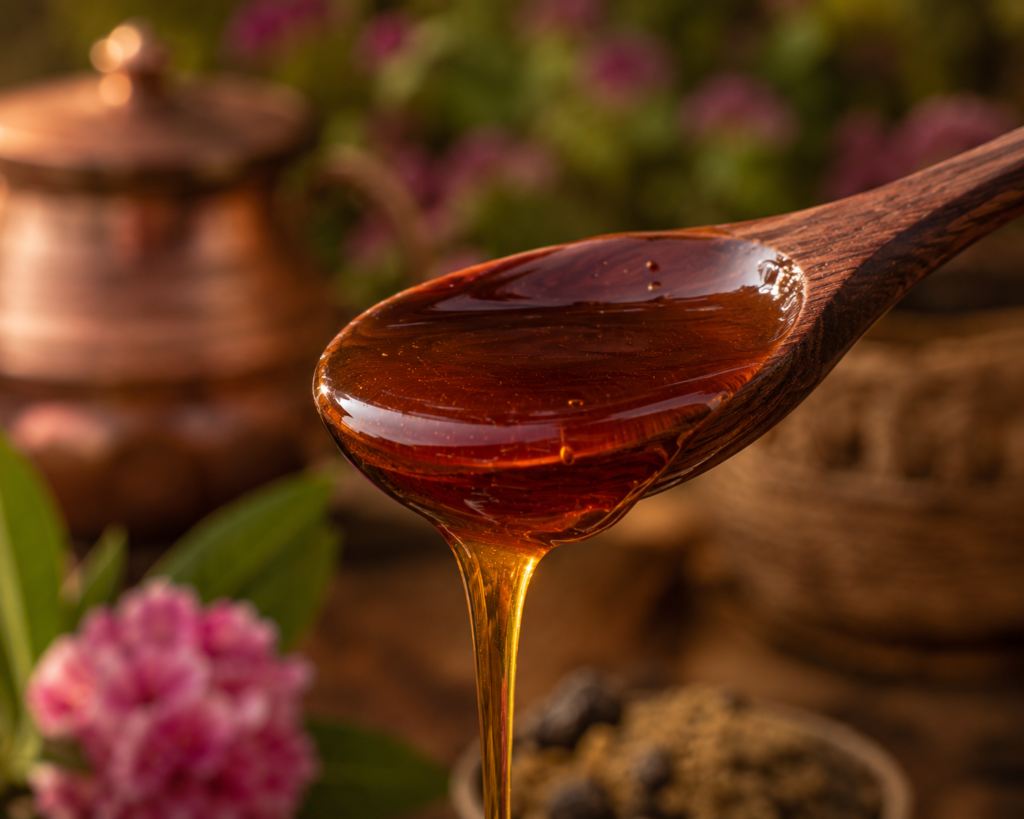
If you’ve never tried it, the first thing to understand about mad honey’s flavor is that it genuinely doesn’t taste like the honey most people grew up with. That difference in taste isn’t a marketing exaggeration — it comes directly from a completely different floral source, and understanding it helps set the right expectations before your first spoonful.
The Short Answer
Mad honey tastes less sweet than regular honey, with a distinctly bitter, earthy, almost resinous edge. Many first-time tasters describe a lingering, slightly medicinal aftertaste that ordinary clover or wildflower honey simply doesn’t have. It isn’t unpleasant to most palates, but it is unmistakably different — closer to a dark, herbal syrup than the light, floral sweetness people expect from honey.
Breaking Down the Flavor Profile
The initial taste is where mad honey most resembles regular honey — a wave of natural sweetness on first contact. But that sweetness fades quickly into something more complex. A mild bitterness develops on the middle of the tongue, followed by an earthy, almost woody undertone that some describe as similar to dark molasses or a strong herbal tea. Many people also report a subtle warming or tingling sensation at the back of the throat shortly after swallowing — not a flavor exactly, but a physical sensation tied closely to the honey’s active compounds rather than its taste chemistry.
Why It Tastes So Different
The flavor difference comes down entirely to source. Regular honey is typically made from bees foraging across dozens of flower varieties, which blends into a fairly consistent, broadly sweet flavor regardless of brand. Mad honey comes from bees foraging almost exclusively on wild rhododendron flowers during a short seasonal window, which means the honey carries a much more concentrated, single-source flavor profile — bitterness and complexity included — rather than the blended sweetness of multi-floral honey.
Texture Alongside Taste
Texture plays a real role in how mad honey’s taste is experienced. Genuine, raw mad honey tends to be thicker and more viscous than commercial honey, with a slightly grainy or resinous mouthfeel rather than perfectly smooth. This texture isn’t a flaw — it’s typical of raw, minimally processed honey, and it actually intensifies the flavor experience compared to a thinner, more filtered product.
How Color Relates to Taste
There’s a fairly reliable pattern worth knowing: darker mad honey tends to carry a stronger, more bitter flavor, generally correlating with higher potency. This isn’t a strict rule, since color also varies by specific harvest and region, but it’s a reasonably consistent signal for what to expect flavor-wise before tasting.
The Best Way to Taste It for the First Time
If you’re trying mad honey for the first time, take a very small amount — about a quarter teaspoon — directly on the tongue rather than mixed into food or drink at first. This lets you actually notice the layered flavor progression described above, rather than having it masked by tea, toast, or anything else. Once you’re familiar with the taste, using it in small amounts elsewhere is fine, though most people who buy mad honey specifically for its effects take it directly, following the dosing guidance in our companion article on Mad Honey side effects rather than treating it as a spread.
What It Doesn’t Taste Like
It’s worth clarifying a few common misconceptions. Mad honey doesn’t taste artificially “medicinal” like cough syrup, nor does it have a strong chemical aftertaste — the bitterness is genuinely herbal and plant-derived, closer to strong tea or dark chocolate than anything synthetic. It also isn’t sour or fermented in any way; any sourness in a jar you’ve purchased is a sign of spoilage or a fake product, not a normal characteristic.
A Note on Fake or Diluted Mad Honey
Because genuine mad honey has such a specific, distinctive flavor, taste is actually one of the more useful (though not definitive) signs of authenticity. Honey that tastes exactly like ordinary sweet honey, with no bitterness or complexity at all, is unlikely to be genuine mad honey — it may be diluted, blended with regular honey, or mislabeled entirely. That said, taste alone isn’t a reliable lab-grade test; proper verification always comes down to third-party lab testing rather than flavor guessing.
Final Thoughts
Mad honey’s taste is part of what makes it a genuinely distinct product rather than just “honey with an effect.” The bitterness, complexity, and lingering warmth are as much a part of the traditional experience as its physical effects — and knowing what to expect beforehand makes that first taste far less surprising, and considerably more enjoyable.
Frequently Asked Questions
Does mad honey taste bad?
Not typically — most people find it distinctly bitter and complex rather than unpleasant, similar in intensity to a strong dark honey or herbal syrup.
Should mad honey taste sweet?
It has some initial sweetness, but noticeably less than regular honey, with bitterness developing quickly afterward. Honey that tastes purely sweet with no bitterness at all may not be genuine mad honey.
Can I mix mad honey into tea or food to hide the taste?
You can, though most people take it directly in a small measured amount to properly monitor dosage — mixing it into food or drink makes it harder to track exactly how much you’ve consumed.
Related reading: What Is Mad Honey?, Mad Honey Color, Mad Honey Smell, Fake vs Real Mad Honey.