
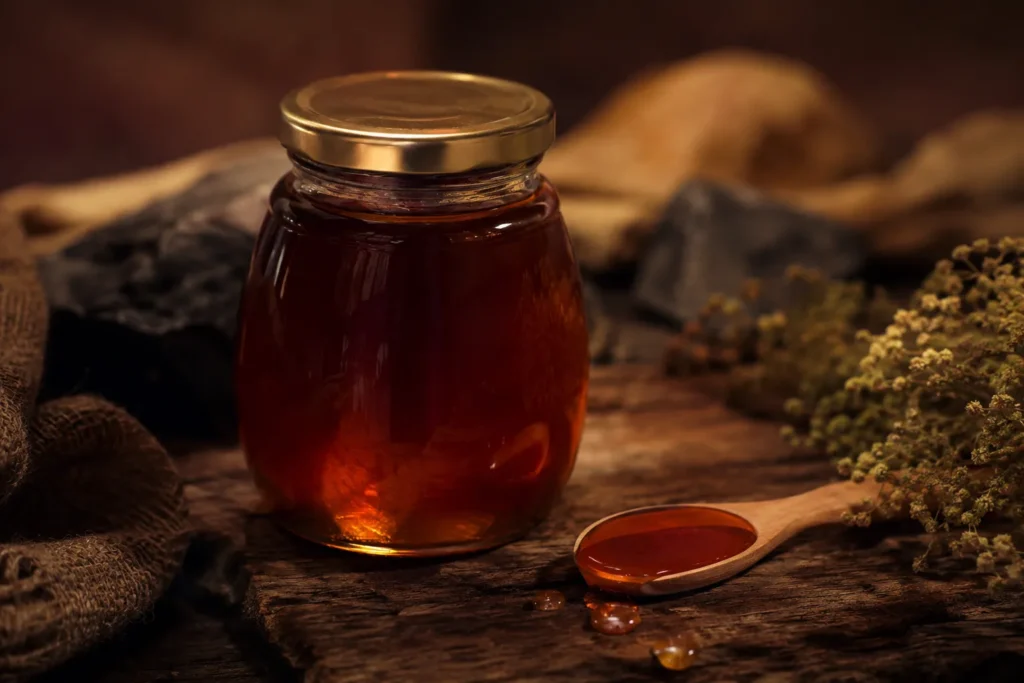
Is Mad Honey Safe?
Himalayan Mad Honey has one of the most unusual reputations of any food product sold today. It’s harvested by hand from cliffside hives thousands of meters up in the Himalayas, prized in traditional Nepali medicine, and known for a relaxing, mildly euphoric effect that ordinary honey simply doesn’t have. Naturally, that reputation raises a fair question before anyone tries it: is Mad Honey actually safe?
The short answer is yes — for most healthy adults, consumed in a small, controlled dose, from a properly tested source. The longer answer is more nuanced, and it depends on three things that this article will walk through in detail: how much you take, who you are, and where the honey actually came from. Understanding these three factors is the difference between a pleasant, safe experience and an unpleasant, avoidable one.
What Makes Mad Honey Different From Regular Honey
Ordinary honey is essentially concentrated flower nectar with almost no pharmacological activity beyond its sugar content. Mad Honey is different because of where the bees forage. In certain high-altitude regions of Nepal, giant Himalayan cliff bees (Apis laboriosa) collect nectar from wild rhododendron flowers. These flowers naturally contain a group of compounds called grayanotoxins, and trace amounts end up concentrated in the honey the bees produce.
Grayanotoxins are the reason Mad Honey behaves so differently from anything else in your kitchen cupboard. In small amounts, they produce a gentle, warming, deeply relaxing sensation, sometimes accompanied by mild euphoria. This is the effect people seek out, and it’s the foundation of Mad Honey’s reputation as a traditional wellness product. But the same mechanism that produces this pleasant effect can, at higher doses, start to affect blood pressure and heart rate — which is exactly where the conversation about safety begins.
The Three Factors That Actually Determine Safety
1. Dose
Almost every documented case of an unpleasant or dangerous reaction to Mad Honey comes back to one root cause: taking too much. This is the single most important variable you control. A small amount — typically starting at around one teaspoon for a first-time user — produces the relaxing effect Mad Honey is known for without pushing the body toward the more serious end of its effects.
The mistake most first-time users make isn’t taking an enormous amount right away. It’s taking a normal first dose, feeling like “nothing happened” after twenty or thirty minutes, and then taking more. Grayanotoxin’s effects can take anywhere from 45 minutes to two hours to fully appear, so doubling up early is one of the most common — and most avoidable — causes of an uncomfortable reaction.
2. Your Personal Health
Safety isn’t the same for everyone. Mad Honey interacts directly with the cardiovascular system, which means people with certain health conditions face meaningfully higher risk than a healthy adult with no underlying issues. This includes people with heart conditions, low blood pressure, pregnant or breastfeeding individuals, and anyone taking medication that affects heart rate or blood pressure. If you fall into one of these groups, the safest approach isn’t a smaller dose — it’s avoiding Mad Honey altogether, or getting clearance from a doctor first.
It’s worth being honest with yourself here rather than assuming you’re an exception. Many heart and blood pressure conditions are well managed day to day and don’t feel like a limitation in ordinary life — but that management often depends on a stable baseline that a compound like grayanotoxin can disrupt.
3. The Source — The Factor Most People Overlook
This is the variable that gets the least attention, and it’s arguably just as important as dose. Grayanotoxin concentration isn’t uniform. It varies significantly depending on the specific rhododendron species, the region, the season, and how the honey was harvested and stored. Two jars labeled “Mad Honey” from two different unverified sellers can have wildly different potency, even at the exact same serving size.
This is the real danger behind buying from an anonymous online seller with no lab testing. A “safe” dose based on general online advice might be genuinely safe with one batch and unexpectedly strong with another. This is precisely why reputable, ethically sourced Mad Honey is batch-tested in a lab and labeled with a verifiable potency — so that the dosage guidance actually matches what’s in the jar, rather than being a rough guess.
What a Safe Mad Honey Experience Looks Like
People who use Mad Honey safely, without incident, tend to share the same habits:
They start with the beginner dose every single time, even if they’ve used it before and know their tolerance. They wait a minimum of two hours before even considering more, regardless of how they feel in the first half hour. They never combine it with alcohol, sedatives, or blood pressure medication. They buy from a source that publishes lab results for each specific batch, not a general claim of purity. And they never plan to drive, swim, or operate machinery afterward, treating it the same way they would treat any substance that affects alertness and coordination.
None of these habits are complicated, but together they eliminate the vast majority of risk associated with Mad Honey.
When Mad Honey Becomes Genuinely Unsafe
Mad Honey shifts from “generally safe” to “genuinely risky” in a handful of specific, identifiable situations. The first is overconsumption — taking noticeably more than a beginner or even intermediate dose, especially without waiting the recommended interval between doses. The second is sourcing — honey purchased from an unverified seller with no batch testing, where the actual grayanotoxin concentration is unknown. The third is personal risk factors — being pregnant, having a heart condition, or being on medication that interacts with the honey’s effects. And the fourth is combination — mixing Mad Honey with alcohol or sedating substances, which compounds its effects on blood pressure and alertness in ways that are difficult to predict.
If you want to understand exactly what an unsafe reaction actually looks like in practice — the specific symptoms, how they progress, and what separates a mild reaction from a medical emergency — that’s covered in detail in our companion articles on Mad Honey poisoning and its symptoms. Understanding those signs in advance is part of using Mad Honey responsibly, the same way anyone using a bioactive substance should know what an adverse reaction looks like before they ever need to recognize one.
Why “Natural” Doesn’t Automatically Mean “Harmless”
It’s worth addressing a common assumption directly: because Mad Honey is a natural, traditional product rather than a synthetic one, some people assume it can’t really cause problems. This isn’t accurate, and it’s actually one of the more common misconceptions that leads to overconsumption. Grayanotoxin is a genuinely bioactive compound with a real, measurable effect on the nervous and cardiovascular systems — the same category of effect you’d expect to treat carefully in any substance, natural or not. Nepali honey hunters themselves have treated Mad Honey with respect and careful dosing for generations, precisely because they understand its potency firsthand. That respect is worth carrying into how you use it, too.
A Simple Framework for Deciding If It’s Right for You
Before trying Mad Honey, it’s worth running through a short mental checklist. Are you a healthy adult with no diagnosed heart or blood pressure condition? Are you not pregnant or breastfeeding? Are you not currently taking medication that affects your heart rate, blood pressure, or central nervous system? Do you have access to a lab-tested, batch-verified source rather than an anonymous online listing? And are you able to start with a small dose and wait a full two hours before considering more?
If you can answer yes to all of these, Mad Honey is very likely to be a safe experience for you when used correctly. If any answer is no, that’s a meaningful signal to either avoid it or talk to a doctor first, rather than proceeding based on general reassurance.
Final Thoughts
Mad Honey occupies an unusual space: it’s a real food product with genuine traditional roots, but it’s also a bioactive substance that deserves the same care and respect you’d give to any compound that affects your heart rate and blood pressure. The honest answer to “is Mad Honey safe” isn’t a flat yes or no — it’s that safety is something you largely control, through the dose you choose, the honesty you bring to your own health history, and the seller you trust.
Used thoughtfully — small doses, a lab-verified source, and awareness of who should avoid it entirely — Mad Honey has a long, well-documented history as a safe and valued traditional product. Used carelessly, without regard for potency or personal health, it can genuinely cause harm. The difference between those two outcomes comes down almost entirely to the choices covered in this article.
1 thought on “Is Mad Honey Safe? A Complete, Honest Breakdown”
Pingback: Mad Honey Side Effects: Is It Safe? Full Guide